
- Home
- Services
- Water Damage Restoration
- Burst Pipe Cleanup
Burst pipe and plumbing leak cleanup in Marin and the Bay Area
MM Bay Construction & Restoration cleans up and dries water damage from burst pipes and plumbing leaks across Marin County and the Bay Area, 24/7. As a licensed contractor, we also repair the broken pipe and rebuild the walls and floors the water damaged.
- Answered 24/7
- Licensed contractor · CSLB #1071905
- We bill your insurance
- Dry-out to rebuild, one company
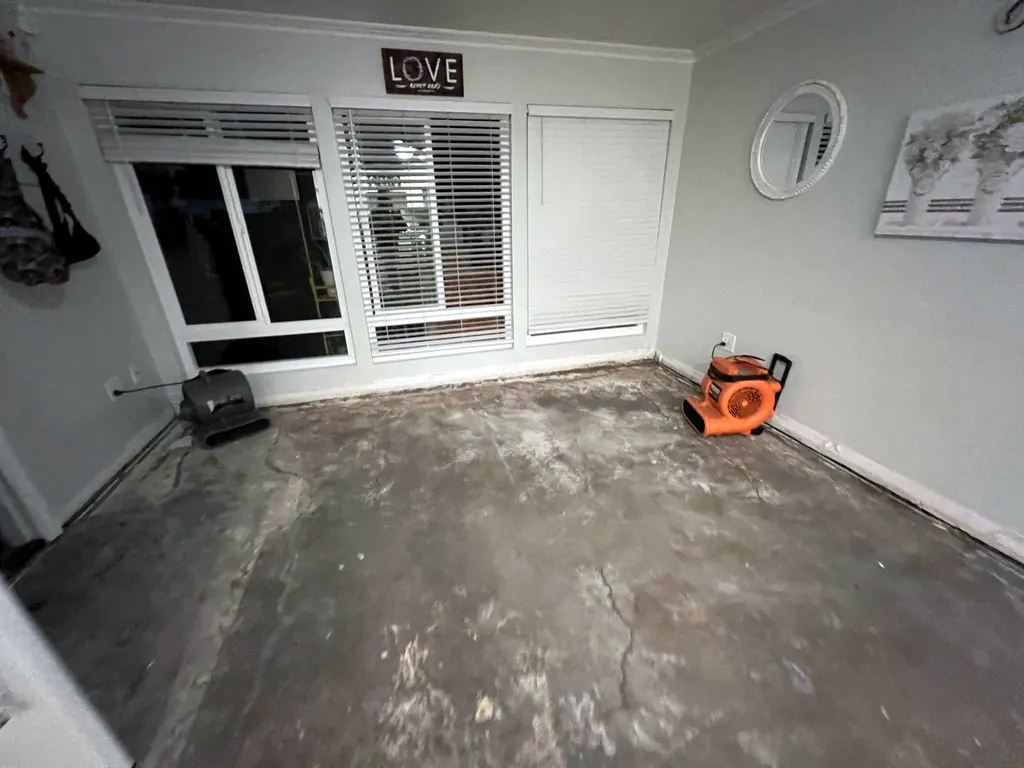
- 24/7, every dayPhones answered, crews sent
- Licensed & bondedCA General Building, CSLB #1071905
- Insurance billed directlyWe work with your adjuster
- We do the rebuild tooHomes, businesses, multifamily
Signs you need burst pipe cleanup
- Water spraying or dripping from a wall, ceiling or under a sink
- A wet spot on a wall that keeps growing
- A warm spot on the floor, or running water sounds when everything is off
- A water bill that jumped with no change in use
- Rusty or brown water from older galvanized pipes
- Low water pressure along with a damp smell
Why pipes fail in Bay Area homes
Frozen pipes are rare here. A cold snap can still split a line in an uninsulated crawl space or on an exposed wall in the hills, but most Bay Area pipe failures come from age and materials. Many homes built before the 1960s still have galvanized steel supply pipe, which rusts from the inside until a threaded joint lets go. Copper can develop pinhole leaks that weep inside a wall for weeks before a stain shows. The flexible supply lines under sinks and toilets fail at the nut, often all at once.
Some neighborhoods have their own patterns. Eichler homes in Terra Linda and Lucas Valley in San Rafael, and in Palo Alto and parts of the South Bay, were built with radiant heating pipes inside the concrete slab, and those lines can leak under the floor. Older houses with cast iron drains get cracks along the bottom of the pipe that leak every time a fixture drains. Each failure leaves a different damage pattern, and knowing which one you have tells us where to look.
Finding the leak and how far the water went
Water from a pipe rarely stays where it starts. It runs along the top of a wall plate, wicks up drywall, travels under flooring and drops through the ceiling below. We start with a thermal camera, which shows cool areas where evaporating water is pulling heat out of a surface, and confirm every suspect area with a moisture meter. Pinless meters read through hardwood and tile without damaging them. We check the rooms on both sides of the wall and the floor below.
When the source is inside a wall, we cut a small inspection opening at the wet area instead of opening the whole wall. Once the leak is found and the water is shut off, we cap or clamp the line so the rest of the house can have water back while the repair is planned. For a suspected slab leak, the location is pinpointed with pressure and acoustic testing before anyone breaks concrete, so the opening in your floor is as small as possible.
Repair the section, or repipe the house?
On a copper system with one bad fitting, replacing that section is usually the right repair. Galvanized pipe is different. When one joint rusts through, the rest of the system is usually the same age and in similar condition, and another leak is likely. In that case we price both options: a spot repair, and a repipe of some or all of the house with copper or PEX.
The timing helps. Walls and ceilings are already open for drying, so routing new pipe through them now costs far less in drywall repair than doing it later. For a leaking slab line, rerouting the pipe through the walls or attic is often simpler than breaking and patching the slab. Insurance usually pays for the water damage and the cost of opening the wall to reach the leak, but not for the new pipe itself, so we list the plumbing work separately on the estimate and you decide with the real numbers in front of you. Our leak source repairs page covers the plumbing side in more detail.
What we do, step by step
Stop the water
We shut off the supply, then cap or clamp the broken line so the rest of the house has water.
Extract and map
Water is removed and every affected wall, floor and ceiling is mapped with meters and a thermal camera.
Open the wet areas
Wet baseboards, insulation and drywall below the wet line are removed with clean, straight cuts.
Dry and monitor
Dehumidifiers and air movers run until daily readings match dry materials in your home.
Repair the pipe
The failed section is repaired or the system repiped, with a permit when the work requires one.
Rebuild
Insulation, drywall, texture, paint and flooring go back so the wall looks untouched.
After the cleanup, we put it back
A burst pipe job usually ends with three trades in the same wall: the plumbing repair, new insulation and drywall, then texture and paint. When different companies handle each one, the wall sits open while they schedule around each other. MM Bay does all three in sequence, so the plumbing gets tested and inspected, the wall gets closed and the room gets painted without you coordinating anyone. If we recommend repiping, we plan the new pipe routes before we patch, so each wall is opened only once.
Repairs & reconstruction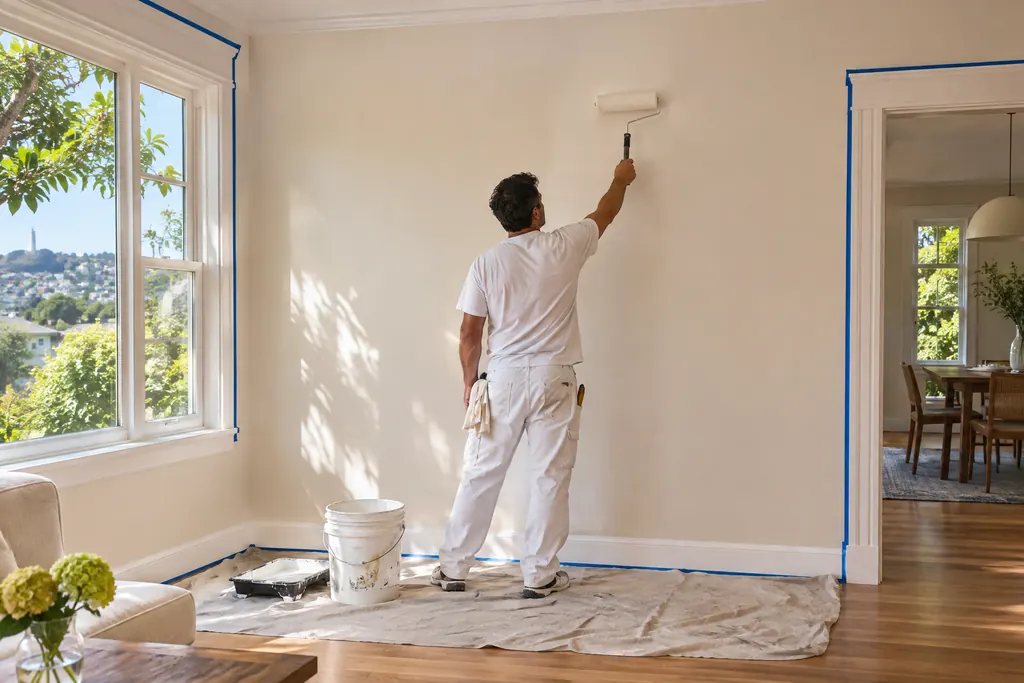
How insurance usually handles this
A sudden pipe burst is one of the most commonly covered water losses. What insurers usually do not pay for is the pipe itself, or damage from a leak that dripped for weeks before anyone noticed. That line between sudden and gradual decides a lot, so we document the failure carefully: photos of the break and its location, the condition of the pipe, and moisture readings that show how far the water spread. Those records go to your adjuster, and we can bill your insurance directly.
Burst Pipe Cleanup: questions we hear
Still have a question? Call (415) 878-3410. We pick up 24/7.
Does homeowners insurance cover a burst pipe?
Water damage from a pipe that bursts suddenly is commonly covered, including the cost of opening walls or floors to reach it. The pipe repair itself is usually not covered, and neither is damage from a slow leak that went on for weeks. We document the break, the pipe's condition and the spread of the water so your adjuster has what they need.
What causes pinhole leaks in copper pipes?
Pinhole leaks usually come from corrosion working from the inside of the pipe. Water chemistry, high water velocity and the age of the pipe all play a part. Where one pinhole appears, others often follow in the same run, so after a second pinhole leak it is worth pricing a section or whole-house repipe while the walls are open.
How do I know if I have a slab leak?
Common signs are a warm spot on a floor, the sound of running water when nothing is on, a water meter that keeps moving with every fixture off, damp carpet or swollen flooring with no visible source, and a sudden jump in the water bill. Homes with radiant heat in the slab, like many Eichlers, are more prone. Pressure and acoustic testing confirm the location.
Should I replace all my galvanized pipes after a leak?
Often it makes sense. Galvanized pipe corrodes from the inside, so the rest of the system is usually close behind the section that failed. Repiping while walls are already open for drying saves a lot of the drywall cost. We price a spot repair and a repipe separately so you can choose.
Often needed together
Structural Drying
Moisture mapping, dehumidifiers and daily readings until walls, floors and framing are verified dry.
Leak Source Repairs
Pipe, drain, roof and shower repairs, plus electrical and HVAC work tied to the rebuild, so it does not happen again.
Drywall & Ceiling Repair
New drywall and ceilings with matched popcorn, knockdown, orange peel or smooth finish, plus insulation.
More water damage services
Water where it shouldn’t be? We’re ready now.
Call any time, day or night. We’ll tell you what to do right away and send a crew.