
- Home
- Services
- Storm Damage
- Waterproofing & Moisture Control
Basement and crawl space waterproofing and moisture control in the Bay Area
MM Bay Construction & Restoration waterproofs basements, crawl spaces and lower levels across Marin County and the Bay Area so the next winter storm stays outside. We answer 24/7, and as a licensed general contractor we handle the drainage, vapor barriers, sump pumps and grading work that keep water away from the house.
- Answered 24/7
- Licensed contractor · CSLB #1071905
- We bill your insurance
- Dry-out to rebuild, one company
- 24/7, every dayPhones answered, crews sent
- Licensed & bondedCA General Building, CSLB #1071905
- Insurance billed directlyWe work with your adjuster
- We do the rebuild tooHomes, businesses, multifamily
Signs you need waterproofing & moisture control
- Water in the crawl space after every big storm
- White, chalky deposits on foundation walls
- Gutters overflowing or downspouts emptying at the foundation
- Musty air or high humidity under the house
- A lower-level room that gets damp every winter
Most crawl space water starts at the roof and the yard
Before anyone talks about pumps or membranes, we look at where the water is coming from, and most of the time it starts above ground. A roof sheds a lot of water in an atmospheric river storm, and if gutters overflow or downspouts empty right next to the foundation, that water soaks into the soil and ends up under the house. Soil that slopes toward the foundation, patios poured toward the house, and planting beds built up against the siding make it worse. So does irrigation running against a foundation wall.
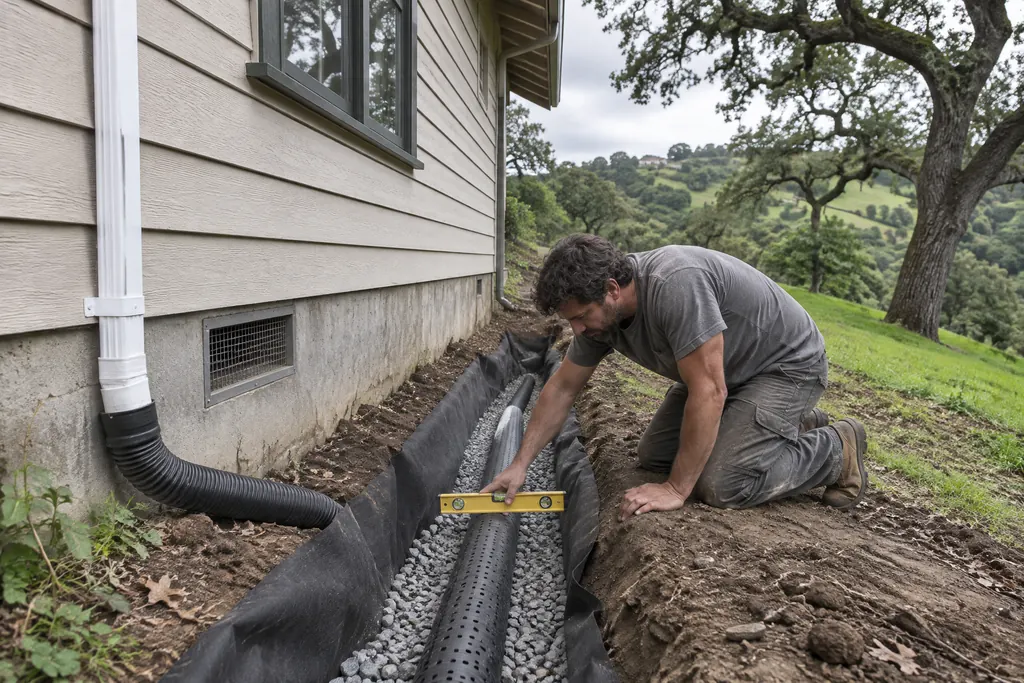
The fixes are often simple, and we do them in order of cost. Clean and resize gutters. Connect downspouts to solid drain pipe that carries the water well away from the foundation to an approved outlet. Regrade the soil so it falls away from the house. Add surface drains where water collects. On hillside lots, where water moves underground from uphill, a French drain or curtain drain on the uphill side can intercept it before it reaches the house. Local rules govern where storm water can be discharged, and we design drainage to meet them.
Sump pumps, vapor barriers and crawl space ventilation
When water still reaches the crawl space, a sump pit at the lowest point collects it and a pump sends it out and away from the foundation. Because winter storms often knock out power, a battery backup pump is worth considering, since the storm that cuts the power is also the one that fills the pit.
A vapor barrier is heavy polyethylene sheeting laid over the bare soil in the crawl space, with the seams overlapped and taped and the edges run up the foundation walls. Bare soil releases moisture into the air under the house all year, and the barrier slows that, which keeps the floor framing drier. Crawl space vents need to stay clear of soil, plants and stored items.
Some homes benefit from going further and sealing the crawl space with a dehumidifier, often called encapsulation. Whether it makes sense depends on the house. A furnace or water heater in the crawl space needs combustion air, so sealing it requires care. We explain the options and recommend what fits your home.
Below-grade walls in hillside homes
Hillside homes in Marin, Oakland, Berkeley and the Peninsula often have rooms partly below grade, with soil against one or more walls. During a long storm, water builds up in that soil and presses against the wall, and it finds its way through cracks and joints. The most effective fix is from the outside: excavate along the wall, apply a waterproofing membrane, add a drainage layer, and lay a perforated drain at the footing that carries water away. It is also the most disruptive, because it means digging along the house.
When excavation is not practical, because of a neighbor's property, a patio or a steep slope, an interior drainage system is the alternative. A channel at the base of the wall collects water that comes through and carries it to a sump pump. Coatings on the inside face of concrete have limited value against real water pressure. Taller retaining walls usually need engineering and a permit, and we coordinate both. Water that already got in is handled on our flooded basement and crawl space page.
What we do, step by step
Watch the water
We look at the house during or after rain, or study the evidence it left behind.
Diagnose the path
Gutters, downspouts, grading, groundwater and plumbing are each checked.
Fix the outside first
Gutters, downspout drains, grading and surface drains carry water away.
Manage what remains
French drains, interior drainage and sump pumps handle water that still arrives.
Protect the crawl space
A vapor barrier, clear vents and, where it fits, a sealed crawl space with a dehumidifier.
Check after a storm
We confirm the system is working after the next significant rain.
After the cleanup, we put it back
Waterproofing usually happens right after a cleanup, when the damage is fresh and the crawl space or lower room is already open. MM Bay does both, so we can run a drain line before the new insulation goes in, set a sump pit before the new flooring is laid, and fix the grading while the exterior is already torn up. You are not paying for a cleanup now and paying a separate company to open things up again later.
Repairs & reconstruction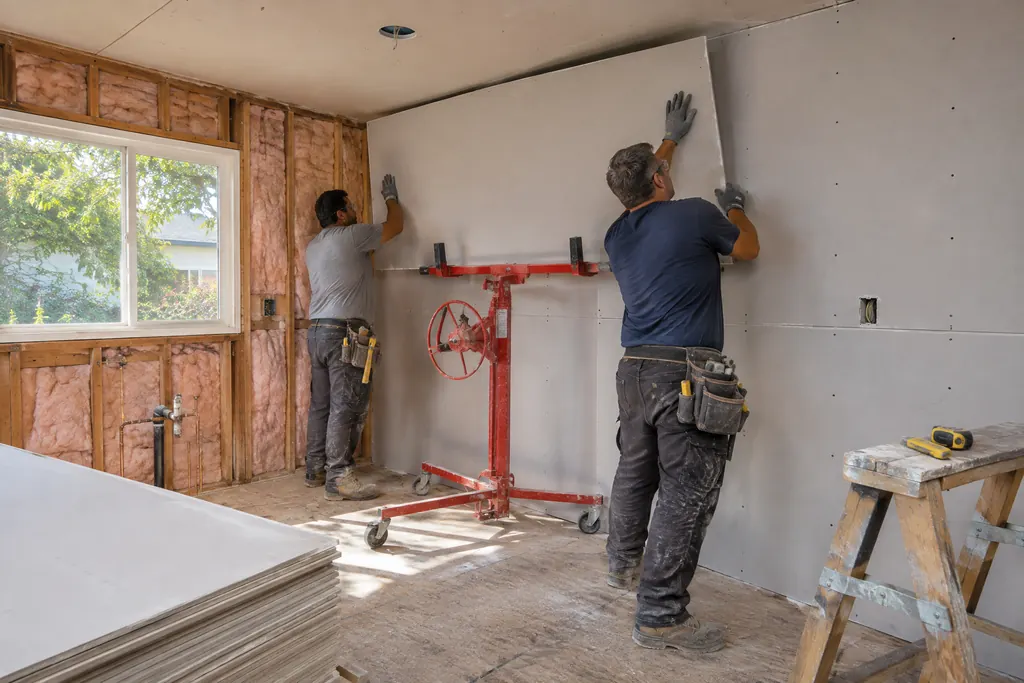
How insurance usually handles this
Insurance generally does not pay for waterproofing itself, because it is a prevention upgrade rather than repair of a covered loss. There are overlaps: a downspout or sump pump damaged during a covered loss may be part of that repair. Some insurers also ask about prior water problems at renewal. Fixing drainage after a loss is often the simplest way to keep the next storm from becoming another claim.
Waterproofing & Moisture Control: questions we hear
Still have a question? Call (415) 878-3410. We pick up 24/7.
How do I stop water from getting under my house?
Start where the water starts. Most crawl space water comes from gutters, downspouts emptying at the foundation, and soil sloping toward the house. We fix those first, then add a French drain, interior drainage or a sump pump if water still arrives, and a vapor barrier to control moisture from the soil.
Do I need a sump pump in my crawl space?
If water collects in the crawl space after storms and exterior drainage fixes are not enough, a sump pump at the lowest point is a reliable way to remove it. Homes on hillsides or with high groundwater are the most common candidates. A battery backup helps during storms that knock out power.
What does a crawl space vapor barrier do?
It covers the bare soil with heavy plastic sheeting so moisture from the ground does not evaporate into the air under the house. That keeps the floor framing and insulation drier, which helps prevent wood decay, mold and musty smells. It works best with seams taped and edges run up the foundation walls.
Is crawl space encapsulation worth it in the Bay Area?
It depends on the house. Sealing the crawl space and adding a dehumidifier can help homes with persistent humidity or musty odors. Many Bay Area homes do well with a good vapor barrier, clear vents and fixed drainage instead. Gas appliances in the crawl space need combustion air, which affects the decision. We inspect first and recommend what fits.
Often needed together
Flooded Basement & Crawl Space
Pump-out, cleanup and drying for flooded basements, lower levels and crawl spaces under raised foundations.
Framing & Subfloor Repair
Rotted joists, subfloors, sill plates and wall framing repaired or replaced after leaks and long-term moisture.
Mold Inspection & Testing
Moisture-focused mold inspections, with independent lab testing coordinated when it answers a real question.
More storm services
Waterproofing & Moisture Control near you
Water where it shouldn’t be? We’re ready now.
Call any time, day or night. We’ll tell you what to do right away and send a crew.